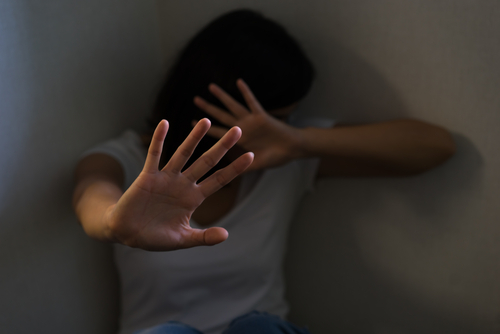
Psychological evaluations play a key role in VAWA cases, especially for individuals who have experienced emotional, psychological, or physical abuse. In many VAWA cases, the psychological evaluation can provide critical information to those deciding the case.
Conducted by an immigration psychologist, the evaluation helps establish the mental and emotional effects of the abuse and document the individual’s need for professional care. The goal is not only to document abuse but also to assess how the survivor has been affected and what emotional adjustment is necessary for recovery and long-term stability.
What is emotional adjustment for survivors of domestic abuse?
Emotional adjustment refers to the survivor’s psychological response and long-term recovery following experiences of abuse, especially when the abuse was ongoing or involved coercion, threats, and control. Survivors of domestic violence often struggle with depression, anxiety, PTSD, and a sense of fear or helplessness that can persist long after the relationship ends.
Under VAWA, U.S. immigration law provides a self-petitioning process that allows survivors – spouses and children – to pursue legal status independently of their abusive spouse or parent. This self-petition process is confidential and does not require the abuser’s knowledge or consent. It acknowledges that survivors may be in a vulnerable emotional state and should not be placed in further danger or risk.
By allowing the survivor to apply for protection and legal status independently, the law creates an opportunity for emotional and psychological adjustment free from manipulation. A psychological evaluation for VAWA cases can provide insight into the survivor’s emotional needs and offer clinical documentation, evaluating the legitimacy of their trauma, assessing the impact of the trauma, and outlining the treatment and care needs of the survivor of domestic abuse. This information informs the immigration officials deciding whether the applicant warrants relief under VAWA.
Does VAWA cover emotional abuse?
Emotional or psychological abuse may qualify under VAWA when the conduct constitutes battery or extreme cruelty under U.S. immigration law. Extreme cruelty may involve a pattern of threats, intimidation, humiliation, isolation, coercive control, financial restriction, stalking, harassment, immigration-related threats, or other conduct used to frighten, control, or harm a spouse, child, or parent.
However, not every harmful argument, instance of infidelity, marital disagreement, or difficult relationship experience meets the legal standard for battery or extreme cruelty. The conduct is considered in light of its nature, frequency, severity, surrounding circumstances, and effects on the survivor.
How do I adjust my status with VAWA?
You should consult an immigration attorney to determine whether you are eligible to adjust your immigration status through VAWA and how the filing process applies to your circumstances. A VAWA self-petition and an application for adjustment of status are related filings, but they serve different purposes.
Form I-360, Petition for Amerasian, Widow(er), or Special Immigrant, is used to submit the VAWA self-petition. Approval of Form I-360 does not, by itself, adjust the applicant’s status or issue a green card.
Form I-485, Application to Register Permanent Residence or Adjust Status, is generally used to request lawful permanent resident status when the VAWA self-petitioner is eligible to adjust status and an immigrant visa is available.
Depending on the applicant’s immigration category and circumstances, Form I-485 may be filed at the same time as Form I-360, while Form I-360 is pending, or after the self-petition is approved. An immigration attorney can determine the appropriate filing sequence and identify any admissibility or procedural issues.
Each case is unique, and therefore, you should consult an immigration attorney to determine if you are eligible for relief based on VAWA. Only when your immigration attorney believes it necessary will you be referred to an immigration psychologist for an immigration psychological evaluation. Your immigration attorney will provide you with a list of qualified immigration psychologists who can perform the VAWA psychological evaluation to determine the nature of the abuse and the impact of the abuse according to VAWA.
What is a VAWA immigration psychological evaluation?
Immigration psychologists evaluate victims of domestic violence. VAWA protects both men and women. Domestic violence can be physical, sexual, or psychological / emotional.
One of the primary roles of the immigration psychologist is to assess psychological or emotional abuse. This is a form of abuse in which one person in a relationship uses tactics such as manipulation, control, humiliation, harassment, threats, intimidation, financial control or other forms of abuse to harm the other person’s mental and emotional well-being. VAWA includes provisions that address psychological abuse (emotional abuse) and recognize it as a form of domestic violence.
The psychological or emotional abuse purports to control and dominate the other person, and it can have severe and long-lasting effects on a person’s mental health. Psychological or emotional abuse can be just as harmful as physical abuse, resulting in mental health complications such as post-traumatic stress disorder, depression, and anxiety.
What records may an immigration psychologist review?
A VAWA psychological evaluation may include records that clarify the history and effects of reported abuse. Materials may include medical or mental health records, police reports, protective orders, court filings, photographs, threatening messages, financial records, school records, prior declarations, or statements from people with firsthand knowledge. U.S. Citizenship and Immigration Services (USCIS) permits VAWA self-petitioners to submit any credible evidence, so no single document is required in every case.
The psychologist reviews records for consistency with the interview and testing results. Missing records do not automatically mean abuse did not occur, particularly when fear, isolation, financial control, language barriers, or immigration threats prevented the survivor from seeking help. The report should identify records reviewed, distinguish reported information from independently documented facts, and address meaningful inconsistencies without advocacy.
Can a VAWA psychological evaluation be conducted by telehealth?
A VAWA evaluation may be conducted through a secure, HIPAA-compliant video platform when remote assessment is clinically appropriate. Telehealth can make evaluations accessible to individuals who live far from a qualified examiner, have transportation barriers, or need greater privacy. Before proceeding, the psychologist confirms identity, location, privacy, technology access, and whether the selected testing methods are suitable for remote administration.
What is the extreme hardship requirement for VAWA?
In a VAWA case, extreme cruelty generally refers to emotional abuse intended to gain compliance or control over the victim of domestic abuse. Extreme cruelty can include psychological abuse such as manipulation, control, humiliation, isolation, degradation, economic control, coercion, acts intended to create fear, denying access to essentials, threats to take away children, threats of deportation, intimidation and many other forms of emotional abuse or psychological abuse.
The immigration psychologist documents all abusive experiences, their frequency, and their severity, as well as their consequences for the victim. The psychologist documents both the extreme cruelty and the battery experienced. This information can help immigration officials determine whether extreme cruelty occurred and if the applicant qualifies for relief under VAWA.
Extreme hardship and extreme cruelty requirements are at times confused, but an immigration attorney can clearly explain the difference. Extreme hardship generally concerns waivers such as hardship waivers and cancellation of removal. Extreme cruelty concerns VAWA cases which also take into consideration experiences of battery
What is the 2-year rule for VAWA?
An immigration attorney must be consulted to determine whether someone is VAWA eligible and whether the 2-year rule applies.
The “2-year rule” for VAWA generally refers to certain circumstances in which a person may remain eligible to file Form I-360 as a VAWA self-petitioner after the qualifying relationship or the abusive family member’s immigration status has changed.
A former spouse of an abusive U.S. citizen or lawful permanent resident may be eligible to file a VAWA self-petition within 2 years after the legal termination of the marriage. The former spouse must demonstrate a connection between the divorce or other legal termination of the marriage and the battery or extreme cruelty. The divorce decree does not necessarily need to state that abuse caused the marriage to end, but the required connection must be documented.
Other 2-year provisions may apply when an abusive U.S. citizen spouse dies or when an abusive U.S. citizen or lawful permanent resident loses qualifying immigration status because of an incident of domestic violence. These provisions have separate eligibility requirements and do not apply identically to every former spouse or surviving spouse.
The 2-year provisions concern eligibility and timing for filing a VAWA self-petition. They do not automatically grant lawful permanent resident status, excuse every immigration violation, or establish eligibility to adjust status. An immigration attorney can evaluate the relationship history, filing deadline, manner of entry, visa availability, and other requirements that may affect the case.
How does a psychological evaluation document abuse under VAWA and assess the emotional abuse?
The psychological evaluation for VAWA is also known as an immigration psychological evaluation. In VAWA cases, the psychological evaluation involves an in-depth clinical interview, mental health testing, trauma assessment, and review of the extreme cruelty and battery. Each evaluation is tailored to the individual’s experience and may include standardized psychological testing to measure symptoms of abuse. VAWA documents the nature, severity, frequency and impact of the extreme cruelty and battery
The immigration psychologist will ask detailed questions about the abuse, including how the survivor’s functioning has been affected. The evaluation documents not only what occurred but also how the experiences have shaped the survivor’s emotional state, coping ability, and need for treatment or care. The immigration psychologist does not provide treatment to the VAWA victim because the psychologist is an Independent Medical Examiner (IME) who cannot engage in advocacy required in therapeutic relationships.
This evaluation does not involve treatment or therapy. Instead, it is conducted for forensic purposes and results in a written report. The immigration attorney submits this report as part of the VAWA petition. The psychological report must be objective and based on evidence-based methods. It must also comply with the legal standards set by USCIS and the immigration courts.
How do immigration psychologists and immigration attorneys work together?
Immigration psychologists and attorneys have a working relationship that must protect the independence of each professional’s opinion and the objectivity of both. They serve separate roles in a VAWA case.
Attorneys do not direct psychologists’ findings or determine the clinical conclusions included in an evaluation. When attorneys request evaluations or provide case materials, all communications must preserve psychologists’ independence and impartiality.
Immigration psychologists independently evaluate psychological issues relevant to the case. Psychologists do not advocate for the approval or denial of a VAWA petition, determine whether the applicant is legally eligible for relief, or change an opinion to achieve a preferred result.
Immigration psychologists must understand the rules of admissibility to determine whether the testing and procedures used are valid and reliable enough to withstand scrutiny by the court and other experts. Immigration psychologists must understand how to provide testimony as required by the case.
How to find an immigration psychologist near you
At Immigration Psychology, we have qualified licensed psychologists with specialized training in forensic and immigration psychological evaluations. Our team works with individuals seeking relief under VAWA, including abused spouses and children, to deliver impartial assessments that meet legal and clinical standards.
Our evaluations are available nationwide and can be conducted securely through a HIPAA-compliant telehealth platform. Whether you are working with an immigration attorney or have questions about the process, contact us for a complimentary consultation to help you understand how a psychological evaluation for VAWA cases can complement your application.